

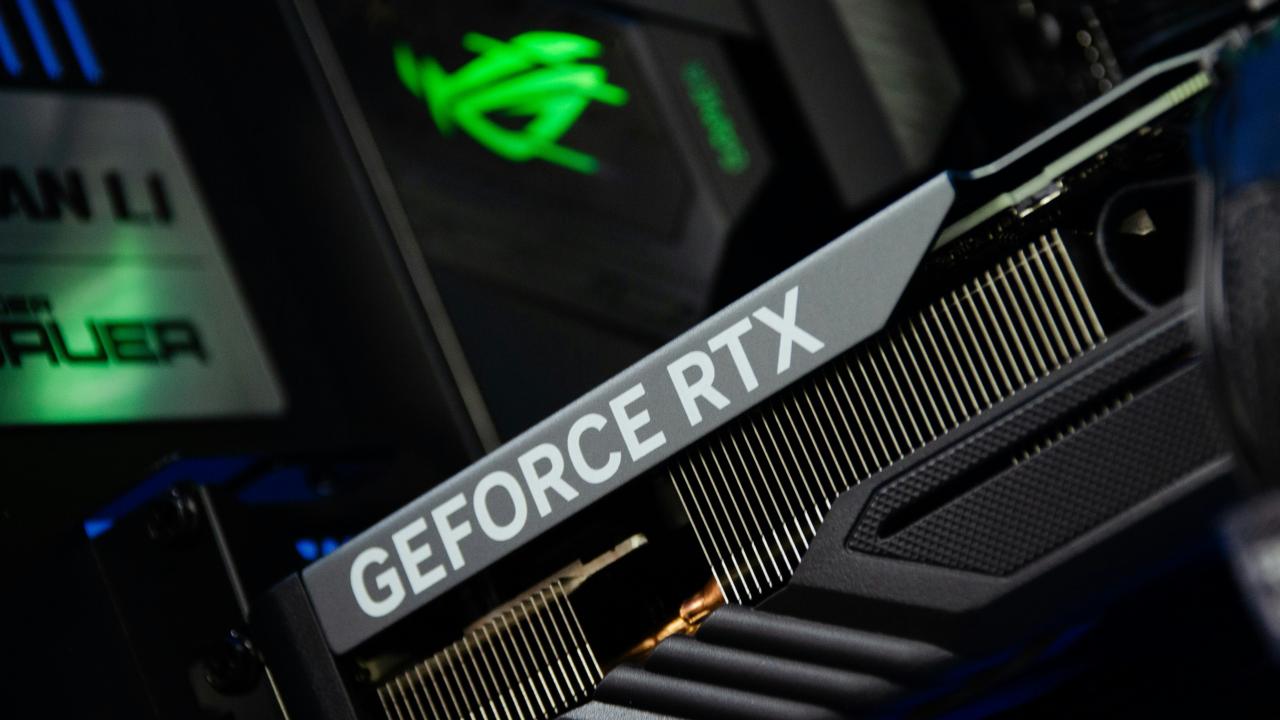
The landscape of high-end PC hardware is currently witnessing its most significant leap forward as a new flagship graphics card enters the market. For many decades, competitive players had to choose between high-fidelity visual settings and the ultra-high frame rates required for professional-level responsiveness.
We are now entering a breathtaking era where the RTX 5090 eliminates that compromise entirely by delivering unprecedented power to the most demanding gaming setups.
This evolution means that the barrier to achieving a perfectly fluid and latency-free experience has shifted from hardware limitations to the refresh rate of your monitor. Modern gaming architecture now focuses on frame generation and AI-driven enhancements that maintain peak performance even during the most chaotic moments of a multiplayer match.
By understanding the raw capabilities of this new silicon titan, you can significantly enhance your competitive edge and overall immersion in any digital arena.
This article explores the essential pillars of the latest GPU architecture and how this performance jump changes the way we play competitive titles forever. You will discover the practical secrets that turn a powerful graphics card into a precision tool for victory and digital dominance.
Unprecedented Frame Rates and Refresh Rate Synchronization
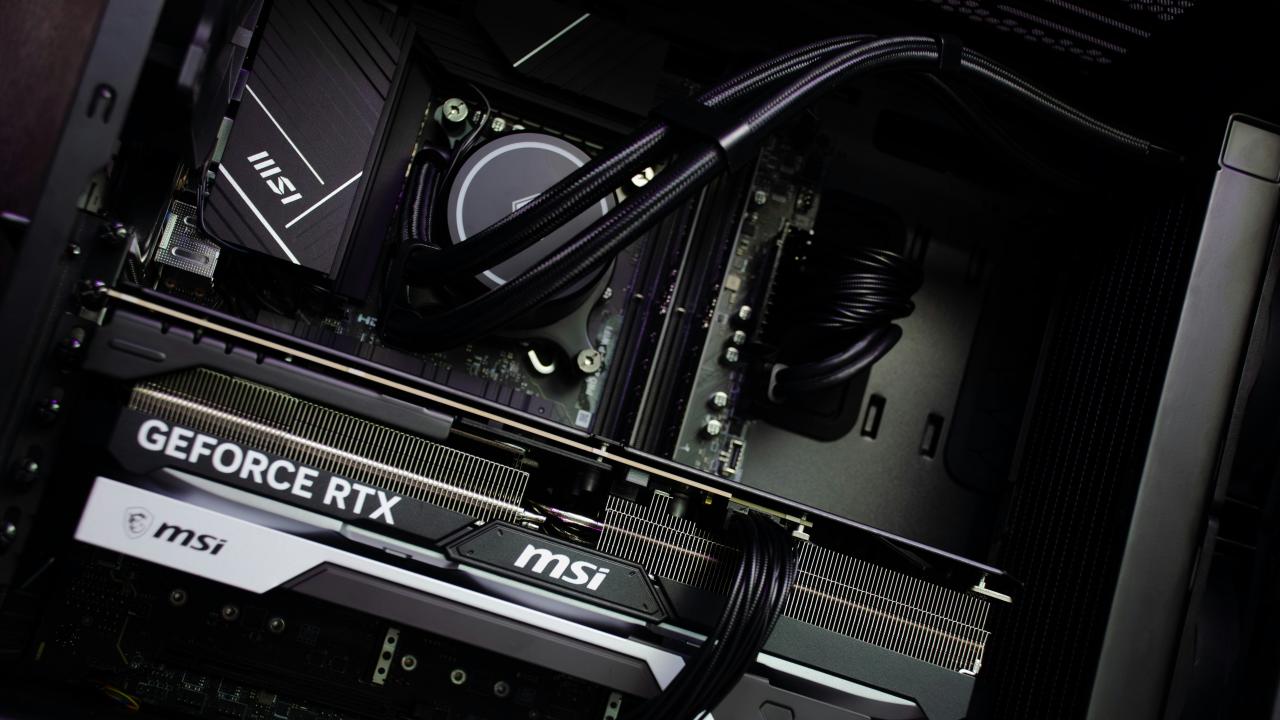
The primary advantage of the new flagship GPU is its ability to push frame rates far beyond what previous generations could ever achieve in competitive titles.
In the past, players often lowered their resolution to 1080p just to ensure their frames stayed above the 360Hz or 540Hz threshold of modern monitors.
Now, the RTX 5090 allows you to maintain these extreme refresh rates even at 1440p or 4K resolutions with high-quality settings enabled. This creates a powerful visual advantage where you can see every movement with crystal-clear detail without sacrificing the speed of your inputs.
It is a fundamental shift toward “high-fidelity competition” where the best-looking game is also the smoothest-playing game on the market.
A. Achieving stable 500+ frames per second in popular tactical shooters like Valorant and Counter-Strike to match the latest ultra-fast panel technology.
B. Utilizing the massive increase in memory bandwidth to ensure that complex textures and map assets load instantly during rapid rotations and movements.
C. Implementing advanced frame pacing techniques that eliminate micro-stuttering and provide a perfectly consistent experience from the start of a match to the finish.
D. Leveraging the latest video encoding hardware to stream your gameplay in high definition without losing a single frame of performance during intense action.
The biggest problem for many users is the “CPU bottleneck” where their processor cannot keep up with the incredible speed of the new graphics card. You solve this “mismatched power” by pairing the GPU with the latest high-end processors that feature massive cache sizes designed for gaming.
Think of your PC as a professional sports car; the GPU is the engine, but the CPU is the transmission that translates that power to the wheels. When you balance your system components correctly, you unlock a level of smoothness that makes the virtual world feel as real as the physical one.
Reducing System Latency with Reflex Integration
In the world of competitive gaming, a few milliseconds can mean the difference between a headshot and a trip back to the respawn screen. In the past, players had little control over the “click-to-photon” latency that occurred between their mouse movement and the action on the screen.
Now, the RTX 5090 integrates perfectly with advanced low-latency technologies that bypass the traditional render queue for a direct connection.
This allows for a much more responsive feel where the game responds to your physical movements with near-instantaneous speed and precision. It is a strategic move to “remove the lag” by treating the entire system as a single, unified pipeline for competitive input and output.
A. Activating “Reflex Boost” modes that keep the GPU clock speeds high even during low-utilization scenarios to ensure the fastest possible response times.
B. Monitoring real-time latency statistics through specialized on-screen displays that show exactly where delays are occurring in your hardware chain.
C. Reducing the “Input Lag” across your entire peripheral setup by utilizing the dedicated low-latency pathways provided by the new GPU architecture.
D. Syncing your frame delivery with your monitor’s refresh cycle to eliminate screen tearing without adding the heavy delay of traditional vertical sync.
The challenge for many players is the “placebo effect” where they feel faster but are actually held back by unoptimized system settings or poor driver configurations. You solve this “performance illusion” by using dedicated latency testing tools to verify that your hardware is actually delivering the speed it promises.
Think of latency as a conversation; the faster your PC “listens” to your mouse, the better you can “speak” to the game world. When you optimize for low latency, you gain a massive psychological advantage because you know your hardware will never be the reason you lose a fight.
Advanced Thermal Management and Power Efficiency
As graphics cards become more powerful, they also require more electricity and generate more heat, which can lead to performance drops over time. In the past, heavy GPUs often struggled with “thermal throttling,” where the card would slow itself down to prevent damage from excessive heat.
Now, the latest flagship designs feature massive vapor chambers and high-airflow fan configurations that keep temperatures low even during ten-hour gaming sessions.
Furthermore, the shift toward more efficient manufacturing nodes means that you get more performance per watt of electricity consumed than ever before. It is a proactive way to “sustain dominance” by ensuring that your frame rates stay high from the first round to the very last map.
A. Researching the new 12V-2×6 power connectors that provide a more secure and stable connection for high-wattage hardware components and cables.
B. Utilizing specialized fan curves that balance noise levels with cooling performance to ensure a quiet but cold environment for your internal parts.
C. Choosing high-quality power supplies with at least 1000W capacity to handle the transient power spikes that occur during high-intensity gaming moments.
D. Investigating “Under-volting” techniques that allow you to maintain stock performance while significantly reducing the heat output and power draw of the GPU.
Many enthusiasts struggle with the “cable management” and space requirements of a card that is often the size of a small gaming console. You solve this “physical barrier” by choosing a large, high-airflow case that provides plenty of room for both the GPU and the necessary cooling solutions.
Think of your PC case as a lungs; it needs to breathe deeply to keep the heart of your system running at its peak potential. When you prioritize a cool and stable environment, you extend the life of your hardware and ensure that your performance never dips during a match.
AI Driven Enhancements and Future Proofing
The true secret of the new flagship’s power lies in its dedicated AI cores that can predict and generate frames with incredible accuracy. In the past, “AI Upscaling” was seen as a compromise that resulted in blurry images or strange visual artifacts that distracted competitive players.
Now, the latest generation of DLSS and Frame Generation technology provides a crystal-clear image that is virtually indistinguishable from native resolution.
This allows you to run modern, graphically intensive titles at extreme settings while still enjoying the competitive advantage of ultra-high frame rates. It is a move to “future-proof your rig” by providing a hardware foundation that will stay relevant for many years of gaming innovations.
A. Using “Deep Learning Anti-Aliasing” to provide the sharpest possible image quality without the heavy performance hit of traditional sampling methods.
B. Implementing AI-driven “Ray Reconstruction” that improves the quality of lighting and reflections in games that support advanced ray tracing features.
C. Leveraging the specialized “Tensor Cores” to accelerate creative tasks like video editing and 3D rendering when you are not busy climbing the ranked ladder.
D. Preparing for the next wave of “Path Traced” games that will require the immense AI and raw power found only in the latest flagship hardware.
The problem for many purists is the “input lag” concern that was associated with early versions of frame generation and AI-assisted rendering. You solve this “technical skepticism” by combining frame generation with Reflex technology, which effectively cancels out any added delay for a smooth and responsive feel.
Think of AI as a professional assistant; it does the heavy lifting in the background so you can focus on the artistic and competitive parts of the game. When you embrace AI-enhanced gaming, you move into the future of the medium where software and hardware work together in perfect harmony.
Conclusion
Strategic hardware orchestration creates true sovereignty by replacing technical bottlenecks with high-performance processing engines. Assigning missions to every component upgrade helps prevent thermal limitations from dictating your competitive strategy.
This disciplined approach ensures your digital infrastructure remains an efficient and powerful performance asset. Auditing your frame stability and monitoring system temperatures allows you to reclaim operational control.
Strategic technology integration ensures your gaming ecosystem acts as a fortress against hardware-intensive shifts. This logical framework provides the stability needed for a high-performance lifestyle.
Building for the future requires executing your technical plans with unwavering and total confidence. Sophisticated intelligent systems transform your hardware mastery into a permanent freedom engine.
Long-term excellence starts with the structural decisions you make right now. The future of architecture is defined by the systems you build.