


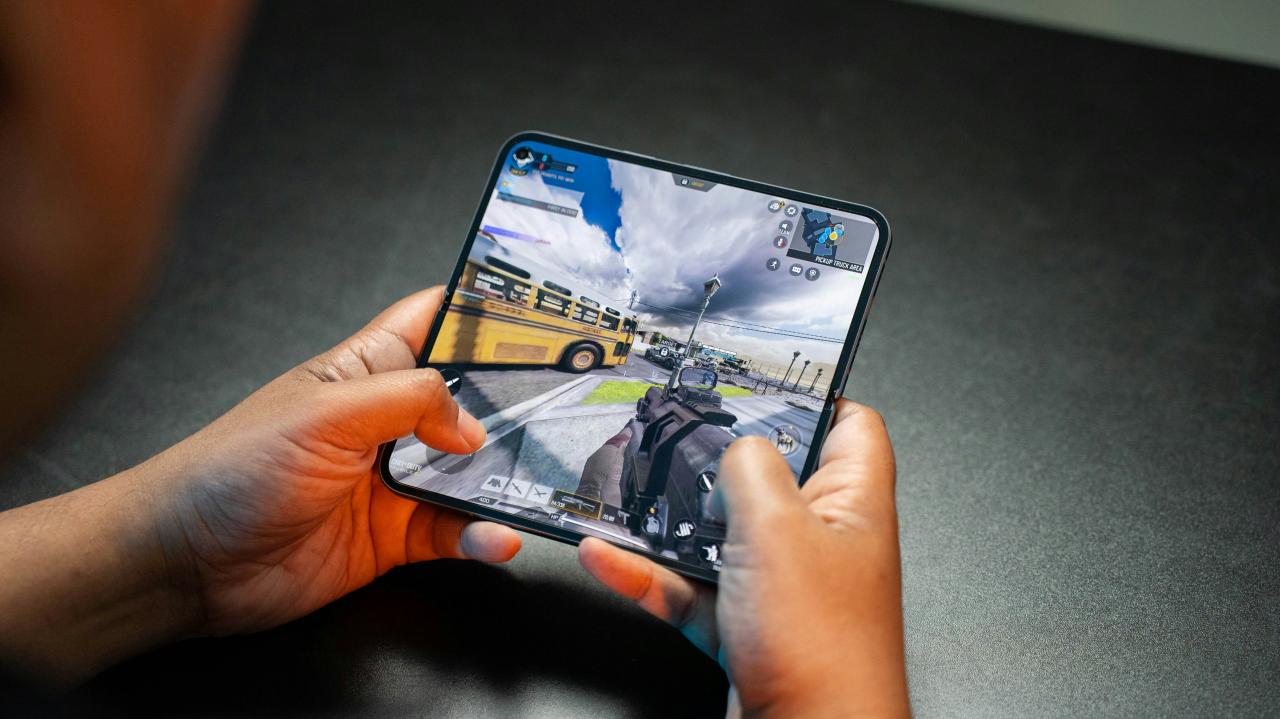
The landscape of competitive mobile gaming is currently witnessing a massive transformation as high-speed 5G connectivity moves to the forefront. For many decades, professional players had to rely on stable fiber-optic cables and bulky desktop setups to ensure they never experienced a single frame of lag.
We are now entering a breathtaking era where the smartphone in your pocket provides a high-fidelity gateway to the world’s most intense digital arenas. This evolution means that you can finally compete at the highest level without being tethered to a physical router or a specific gaming room.
Modern mobile networks now focus on delivering ultra-low latency and massive bandwidth that cater to the unique needs of the next generation of digital-native athletes. By understanding the mechanics of 5G optimization, you can significantly enhance your reaction speeds and overall reliability in any high-stakes competitive environment.
This article explores the essential pillars of 5G technology and how these network advancements are fundamentally changing the professional gaming scene forever.
You will discover the practical secrets that turn a standard mobile connection into a powerful engine for digital dominance and personal glory. Let us explore the best path toward a more rewarding gaming life through the power of elite network engineering and tactical connectivity management.
The Power Of Ultra Low Latency Connections

The primary advantage of 5G technology in the professional gaming world is its ability to reduce latency to near-instant levels. In the past, 4G networks often suffered from unpredictable “jitter” and high ping, which caused a frustrating delay between your touch and the character’s movement.
Now, the integration of advanced edge computing allows data to travel much shorter distances between your device and the game server. This creates a powerful level of responsiveness where every millisecond counts toward your victory in a fast-paced battle royale or a tactical shooter.
It is a fundamental shift toward “instantaneous input” where your movement becomes fluid and your combat effectiveness reaches its absolute peak performance.
A. Utilizing high-frequency bands that allow for massive data transfer speeds and a significant reduction in total signal travel time.
B. Implementing specialized network protocols that prioritize gaming traffic over less time-sensitive data like social media updates or background downloads.
C. Achieving a consistent ping of under ten milliseconds, which matches the performance of traditional high-end wired connections found in professional studios.
D. Leveraging the increased capacity of 5G cells to maintain high speeds even in crowded environments like stadiums or busy city centers.
The biggest problem for many users is the “interference barrier” where physical obstacles like walls or glass can weaken the high-frequency 5G signal. You solve this “access gap” by positioning yourself near windows or using external signal boosters designed specifically for mobile gaming enthusiasts.
Think of your 5G signal as a professional race track; it needs a clear path to allow your data to travel at maximum speed without crashing. When you master the art of signal positioning, you find that your connection becomes the most reliable weapon in your digital arsenal.
Mastering Network Slicing For Dedicated Performance
One of the most exciting features of modern 5G infrastructure is the ability to create virtual “slices” of the network for specific uses. In the past, all mobile data traveled along the same congested pathways, meaning a heavy video download in your neighborhood could ruin your gaming session.
Now, operators can dedicate a specific slice of the 5G bandwidth exclusively for gaming, ensuring that your connection remains stable regardless of local traffic.
This provides a massive advantage for professional players who need guaranteed performance during high-stakes tournaments or live-streamed matches. It is a strategic move to “isolate the experience” by ensuring your game data never has to fight for priority against other users.
A. Monitoring the availability of gaming-specific data plans that offer dedicated network slices for lower latency and improved signal stability.
B. Tracking the “Quality of Service” (QoS) metrics on your device to ensure that your gaming app is receiving the highest priority from the network.
C. Identifying the benefits of “Private 5G” networks that major esports venues use to provide a lag-free environment for all competitors on stage.
D. Utilizing the massive bandwidth of 5G to handle both high-definition game streaming and competitive play simultaneously without any performance loss.
The challenge for many enthusiasts is the “subscription barrier” where some advanced network features might require specific carrier support or premium service tiers. You solve this “priority gap” by choosing service providers that actively partner with gaming companies to optimize their networks for low-latency traffic.
Think of network slicing as a private highway lane reserved only for your car; it doesn’t matter how busy the other lanes are. When you embrace the power of dedicated bandwidth, you move into a category of performance where your focus stays entirely on the win.
Reducing Jitter And Signal Fluctuations
In the world of professional gaming, a consistent ping is often more important than a low ping that fluctuates wildly during a match. In the past, mobile connections were notorious for “spiking,” which caused characters to teleport or shots to miss their targets unexpectedly.
Now, 5G utilizes advanced “Beamforming” technology to direct the signal precisely toward your device rather than broadcasting it in all directions.
This provides a much more stable connection that resists external interference and keeps your data flowing in a smooth, predictable stream. It is a proactive way to “stabilize the arena” by removing the random elements that can ruin a perfectly executed tactical play.
A. Evaluating the impact of beamforming technology on your signal strength as you move through different environments or change your physical orientation.
B. Tracking the “Signal-to-Noise Ratio” (SNR) to ensure that your device is receiving a clean data stream without interference from other electronic devices.
C. Identifying the best locations for 5G reception in your local area by using signal mapping apps to find the strongest and most stable towers.
D. Leveraging the “Dual-Connectivity” features of modern chips that can combine 5G and Wi-Fi signals to provide a fail-safe backup during critical moments.
The problem for many competitors is the “battery drain” that occurs when the phone works extra hard to maintain a high-speed 5G connection during long sessions. You solve this “energy barrier” by using a high-quality cooling fan and keeping your device plugged into a power source that supports fast charging.
Think of your phone as a high-performance engine; it needs a steady supply of fuel and proper cooling to maintain top speeds without overheating. When you prioritize technical stability, you find that your confidence in the server grows because you always know your connection is solid.
The Future Of Edge Computing Integration
The final piece of the 5G puzzle is the integration of “Multi-access Edge Computing” (MEC) which brings the game server closer to the user. In the past, your data had to travel to a central data center that might be hundreds of miles away, adding unavoidable delay to every action.
Now, 5G allows game developers to host small server nodes directly at the edge of the mobile network, often inside the same city where you are playing.
This reduces the physical distance the signal must travel, effectively “shrinking the world” and making your online experience feel as responsive as an offline game. It is a revolutionary way to “delete the distance” between your intentions and the digital outcome on the screen.
A. Analyzing the proximity of local edge servers to your location to determine which games will offer the best performance on your specific network.
B. Utilizing the massive processing power of the edge to offload complex game calculations, allowing for better graphics on your mobile device.
C. Identifying the rise of “Cloud Gaming” services that rely on 5G and MEC to deliver console-quality experiences to any smartphone with zero lag.
D. Leveraging the low-latency response times to participate in massive multiplayer events with thousands of other players in the same virtual space.
Many players struggle with “server location” issues where they are matched with opponents who live much closer to the data center and have a natural speed advantage. You solve this “geographical gap” by using 5G networks that prioritize edge node distribution in major metropolitan areas and gaming hubs.
Think of edge computing as having a personal game console located just down the street from your house; it makes everything feel much faster. When you embrace the future of edge integration, you move into a category of play where your geographical location no longer limits your competitive potential.
Conclusion
Strategic connectivity orchestration creates true sovereignty by replacing network latency with high-performance telecommunication engines. Assigning missions to every architectural signal slice helps prevent bandwidth congestion from dictating your digital strategy.
This disciplined approach ensures your technical infrastructure remains an efficient and powerful transmission asset. Auditing your edge computing nodes and monitoring low-latency signal beams allows you to reclaim operational control.
Strategic network optimization ensures your digital ecosystem acts as a fortress against unpredictable connectivity shifts. This logical framework provides the stability needed for a high-performance lifestyle.
Building for the future requires executing your infrastructure plans with unwavering and total confidence. Sophisticated communication systems transform your technological speed into a permanent freedom engine.
Long-term excellence starts with the structural decisions you make right now. The future of architecture is defined by the systems you build.