

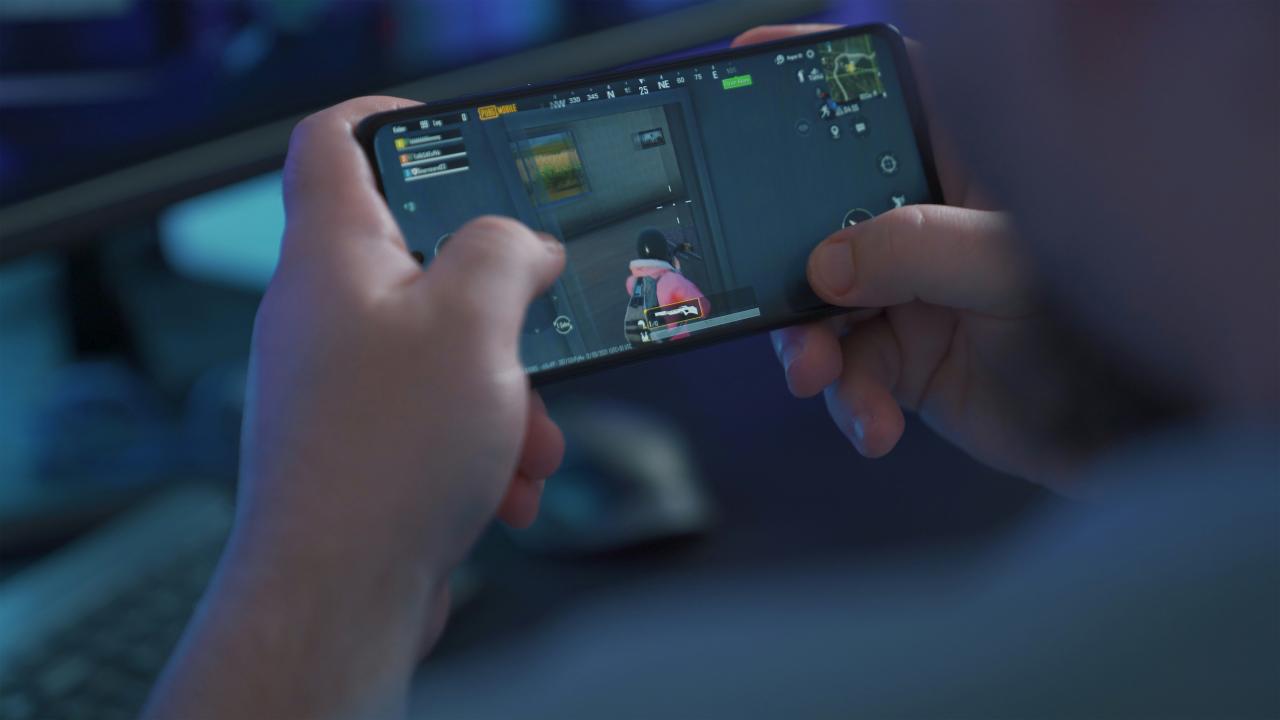
The landscape of competitive mobile shooters is currently witnessing a massive transformation as the iconic Battlefield franchise enters the portable arena. For many decades, fans of large-scale warfare had to rely on powerful desktop computers to experience the chaos of destructible environments and tactical squad play.
We are now entering a breathtaking era where your smartphone provides a high-fidelity gateway to intense ranked matches that test your strategic limits. This evolution means that you can finally lead a squad to victory while commuting or relaxing at your favorite local cafe.
Modern mobile engineering now focuses on delivering the signature “Battlefield Moments” through optimized controls and a deeply rewarding progression system for competitive players. By understanding the mechanics of the new ranked mode, you can significantly enhance your climbing speed and overall impact on every single match.
This article explores the essential pillars of ranking up and how to master the unique tactical challenges found in this mobile masterpiece. You will discover the practical secrets that turn a casual player into a powerful force for digital dominance and squad-based glory. Let us explore the best path toward a more rewarding gaming life through the power of elite tactics and cutting-edge mobile combat.
Choosing The Right Class For Ranked Success
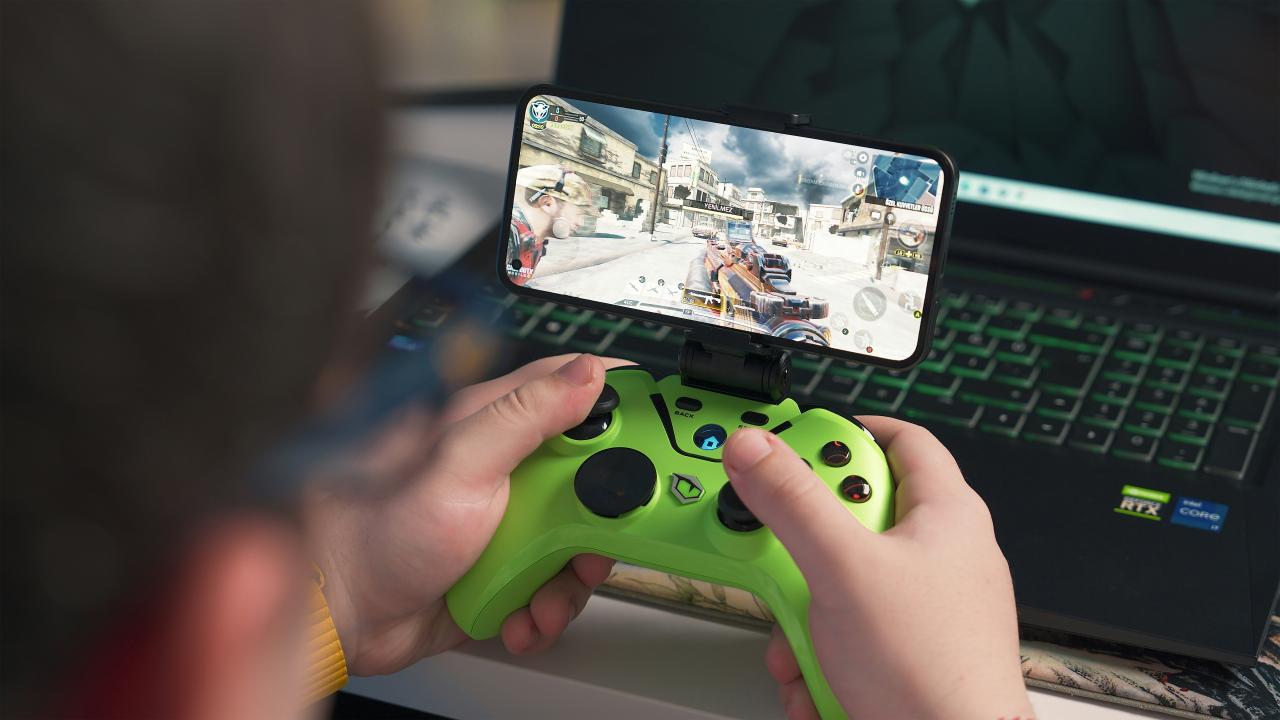
The primary advantage of the Battlefield system lies in its diverse class structure that allows every player to find a specialized role on the battlefield. In the past, many mobile shooters forced everyone into a generic soldier role, which often led to a lack of tactical depth during team fights.
Now, the ranked mode emphasizes the synergy between Assault, Medic, Engineer, and Recon to create a balanced and unstoppable squad.
This creates a powerful level of team play where a well-timed revive or a strategic resupply can turn the tide of an entire match. It is a fundamental shift toward “collaborative combat” where your individual skill matters just as much as your ability to support your teammates.
A. Utilizing the Assault class to lead aggressive pushes and clear out enemy fortifications with powerful explosives and high-mobility weapons.
B. Implementing a dedicated Medic strategy to ensure your squad stays healthy and maintains a constant presence on the capture point during overtime.
C. Achieving total vehicle dominance by using the Engineer class to repair friendly tanks and disable enemy air support with precision-guided launchers.
D. Leveraging the Recon class to provide vital information to your team through spotting flares and high-powered optics that reveal hidden enemy positions.
The biggest problem for many solo players is the “selfish playstyle” where everyone picks Assault and ignores the vital need for healing or ammunition. You solve this “composition gap” by being the flexible player who switches to the Medic or Engineer role when your team lacks those essential tools.
Think of your squad as a professional sports team; you need a goalie and defenders just as much as you need the star strikers to score goals. When you master the art of class flexibility, you find that your win rate increases because you provide the foundation for your team’s overall success.
Strategic Objective Control And Map Awareness
In the ranked environment, your kill-to-death ratio matters far less than your ability to capture and hold the “Flags” scattered across the map. In the past, players often wandered aimlessly looking for fights, but the new mobile ranked system rewards those who play the objective with massive point bonuses.
Now, the key to climbing the ladder is understanding the flow of the map and predicting where the enemy team will strike next based on their current captures.
This provides a massive advantage in “Conquest” and “Rush” modes where controlling the map’s center often dictates the final outcome of the battle. It is a strategic move to “play the long game” by prioritizing tactical control over the immediate dopamine hit of a single kill.
A. Evaluating the “Power Positions” on every map that offer the best lines of sight and protection while defending a critical capture zone.
B. Tracking the “Spawn Points” of the enemy team to prevent them from flanking your squad and taking back an objective while you are focused elsewhere.
C. Identifying the best routes for “Back-Capping” where you move behind the enemy lines to capture their starting flag and force them to retreat.
D. Utilizing the destructible environment to create new paths or remove enemy cover that is preventing your team from moving onto a specific point.
The challenge for many competitors is the “tunnel vision” where they stay at one flag for too long while the rest of the map falls to the enemy. You solve this “static defense” problem by staying mobile and always looking for the next objective that needs your help or protection.
Think of the map as a dynamic puzzle; the pieces are constantly moving, and you must adjust your position to maintain the overall picture of victory. When you prioritize map awareness over raw aim, you gain a massive psychological advantage because you are always two steps ahead of the opponent.
Mastering Destructible Environments For Tactical Edge
The true secret of the Battlefield experience is the ability to change the physical layout of the world through heavy ordnance and vehicle combat. In the past, mobile games featured static maps that never changed, which allowed players to hide in the same “glitch spots” match after match.
Now, the mobile version brings the signature destruction engine to your phone, allowing you to blow holes in walls to create new flanking routes or level entire buildings.
This ensures that no two matches ever feel the same because the cover you used in the first minute might be gone by the fifth minute. It is a move to “evolve the battlefield” by turning the environment itself into a weapon that you can use against an unsuspecting enemy team.
A. Monitoring the structural integrity of enemy-held buildings to decide when to use C4 or grenades to bring the roof down on their heads.
B. Reducing the effectiveness of enemy snipers by destroying the towers or rooftops they use to gain a height advantage over your squad.
C. Achieving a level of “Combat Creativity” where you use rubble and debris to create makeshift cover in wide-open areas of the map.
D. Utilizing heavy vehicles like tanks to smash through walls and fences, creating a direct path for your infantry to follow during an intense push.
Many enthusiasts struggle with the “unpredictable cover” because they are used to static shooters where a wall always provides permanent safety from enemy fire. You solve this “uncertainty trap” by always having a backup plan and a secondary piece of cover in mind whenever you enter a high-traffic area.
Think of the buildings as temporary shields; they are there to help you move, but you shouldn’t rely on them to last for the entire duration of a firefight. When you embrace the chaos of destruction, you find that you can manipulate the match in ways that your opponents simply cannot predict.
Communication And Squad Coordination Tactics
In the higher ranks of Battlefield Mobile, the team that communicates effectively will almost always defeat a group of highly skilled individuals playing alone. In the past, mobile players rarely used microphones or the “Ping” system, which led to a chaotic and uncoordinated experience that felt frustrating for serious competitors.
Now, the ranked system features a robust communication wheel and integrated voice chat that allows you to call out enemy tanks, request health, or coordinate a multi-pronged assault.
This ensures that every member of the squad knows exactly what their job is and where they should be looking during a critical defense of an objective. It is a proactive way to “multiply your power” by turning four separate players into a single, unified machine that dominates the server.
A. Utilizing the “Ping System” to mark enemy positions and vehicles instantly for your teammates without needing to say a single word.
B. Monitoring the “Squad Leader” orders to ensure everyone is attacking or defending the same objective to maximize your team’s scoring potential.
C. Identifying the benefits of “Squad Spawning” where you can appear directly on a teammate who is in a safe position near the frontline of the battle.
D. Leveraging the specialized “Squad Perks” that grant bonuses to movement speed, ammo capacity, or health regeneration when the team stays close together.
The problem for many social players is the “toxic communication” or the total silence that often occurs in random lobbies with strangers from around the world. You solve this “coordination barrier” by being the positive voice in the squad and using the ping system consistently even if your teammates are not talking back.
Think of your pings as a professional navigation system; they provide the clear data that your team needs to avoid traps and find the best path to the win. When you prioritize squad unity, you move into a category of performance where your individual stats are secondary to the glory of the team victory.
Optimizing Controls And Settings For High Ranks
Your physical ability to interact with the game is just as important as your tactical knowledge when playing in the most competitive tiers of ranked play. In the past, default mobile controls were often clunky and blocked too much of the screen, making it difficult to react to fast-moving targets.
Now, the game allows for total customization of the “HUD” and sensitivity settings, enabling you to build a control scheme that matches your unique grip and finger size.
This ensures that you can perform complex movements like sliding, jumping, and aiming simultaneously without feeling like you are fighting against the touch screen. It is a move to “perfect the interface” by removing any friction between your intentions and your character’s actions in the virtual world.
A. Analyzing the “Claw Grip” and other advanced finger placements that allow you to use more buttons at once for better mechanical responsiveness.
B. Tracking the “Aim Assist” settings to find the perfect balance between computer-aided accuracy and your own manual precision during long-range fights.
C. Identifying the “Graphics vs Performance” trade-off where you should prioritize a high frame rate over visual quality to reduce input lag and screen stutter.
D. Utilizing the “Gyroscopic Aiming” features that allow you to make tiny, precise adjustments to your crosshair by physically tilting your mobile device.
Many players struggle with the “setting fatigue” where they constantly change their sensitivity and never allow their muscle memory to develop a consistent feel for the game. You solve this “consistency gap” by finding a set of controls that feels comfortable and sticking with them for several days of intense practice before making any further changes.
Think of your settings as a professional musical instrument; you need to keep it tuned correctly, but you also need to spend time actually playing it to get better. When you balance technical optimization with steady practice, you ensure that your hardware and your skills are both working at their absolute peak performance.
Conclusion
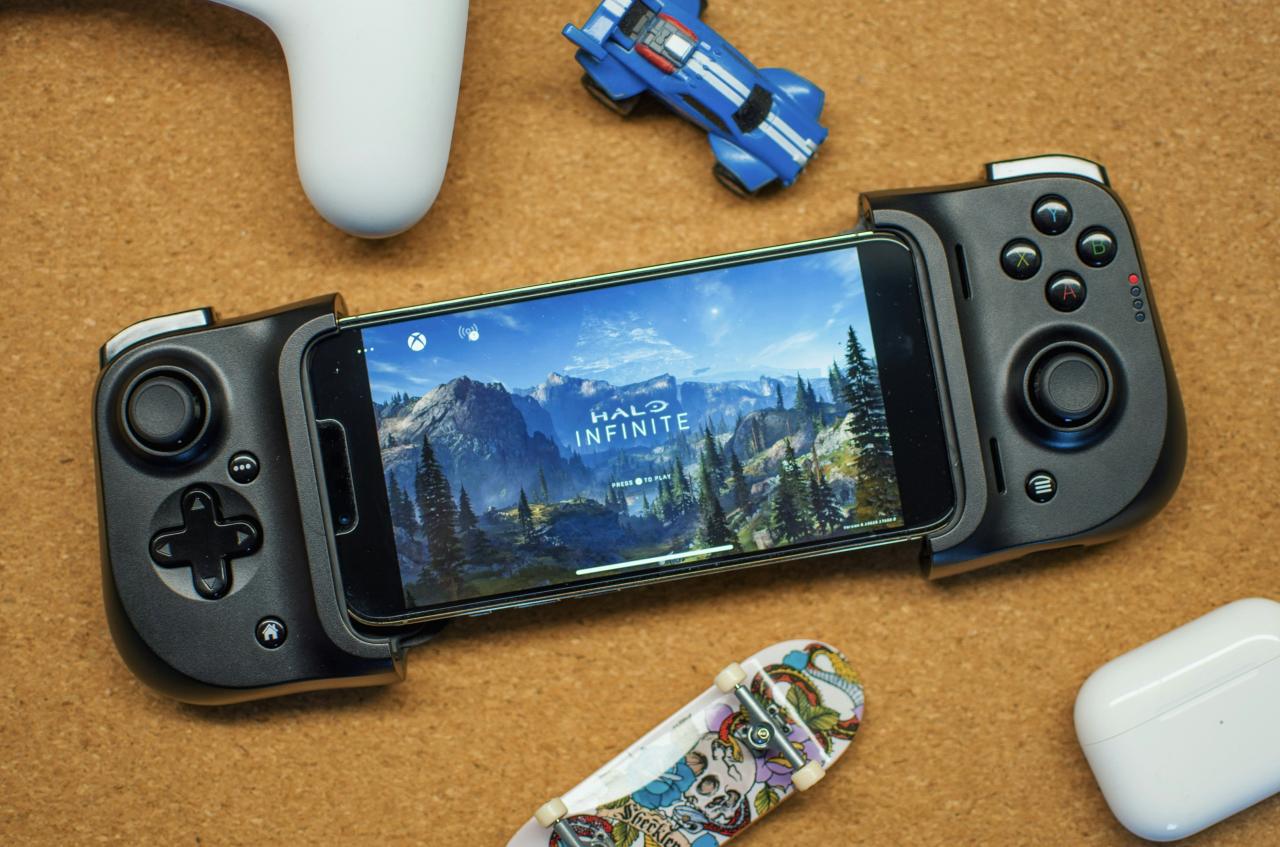
Strategic tactical orchestration creates true sovereignty by replacing uncoordinated solo play with high-performance squad engines. Assigning missions to every class selection helps prevent team imbalance from dictating your competitive strategy.
This disciplined approach ensures your cooperative infrastructure remains an efficient and powerful victory asset. Auditing your environmental destruction and monitoring map objectives allows you to reclaim operational control.
Strategic communication protocols ensure your tactical ecosystem acts as a fortress against unpredictable opposition shifts. This logical framework provides the stability needed for a high-performance lifestyle.
Building for the future requires executing your coordination plans with unwavering and total confidence. Sophisticated mechanical systems transform your team synergy into a permanent freedom engine.
Long-term excellence starts with the structural decisions you make right now. The future of architecture is defined by the systems you build.