

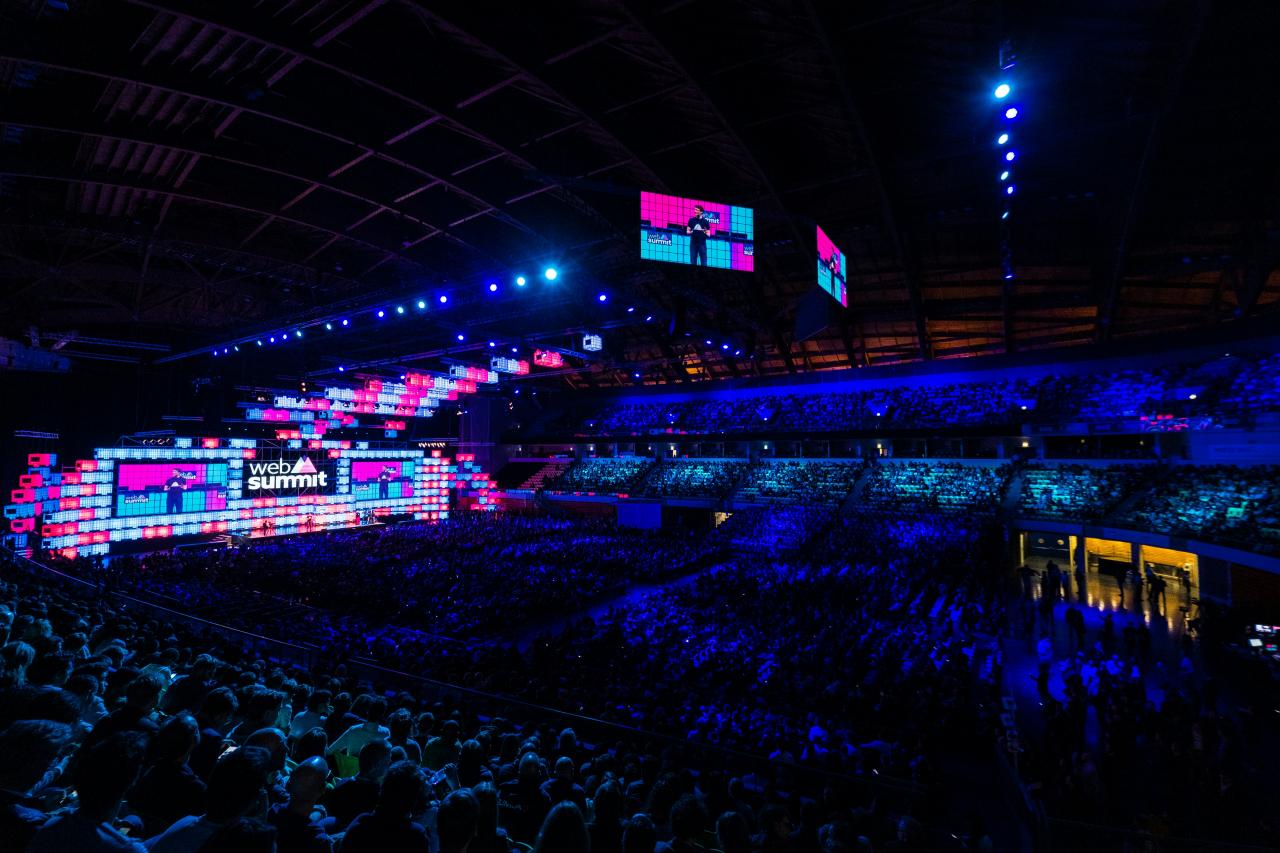
The landscape of competitive entertainment is currently witnessing a massive surge in popularity for games that prioritize precision and strategy. For many decades, fast-paced arcade shooters dominated the market, but we are now entering a breathtaking era where tactical depth is king.
We see millions of fans flocking to digital arenas to watch professional players engage in high-stakes, round-based combat every single weekend. This evolution means that viewers no longer just want mindless action; they crave the tension and intellectual challenge of a perfect execute.
Modern broadcasting technology has turned these complex matches into a premier spectator sport that rivals traditional athletics in emotional intensity. By understanding the mechanics behind this viewership boom, you can significantly enhance your appreciation for the most popular games on the planet today.
This article explores the essential pillars of tactical shooter dominance and how these titles continue to captivate a massive global audience.
You will discover the practical secrets that turn a standard round of gaming into a powerful engine for community engagement and prestige. Let us explore the best path toward a more rewarding spectator life through the power of tactical analysis and competitive passion.
The Power Of High Stakes Round Based Tension
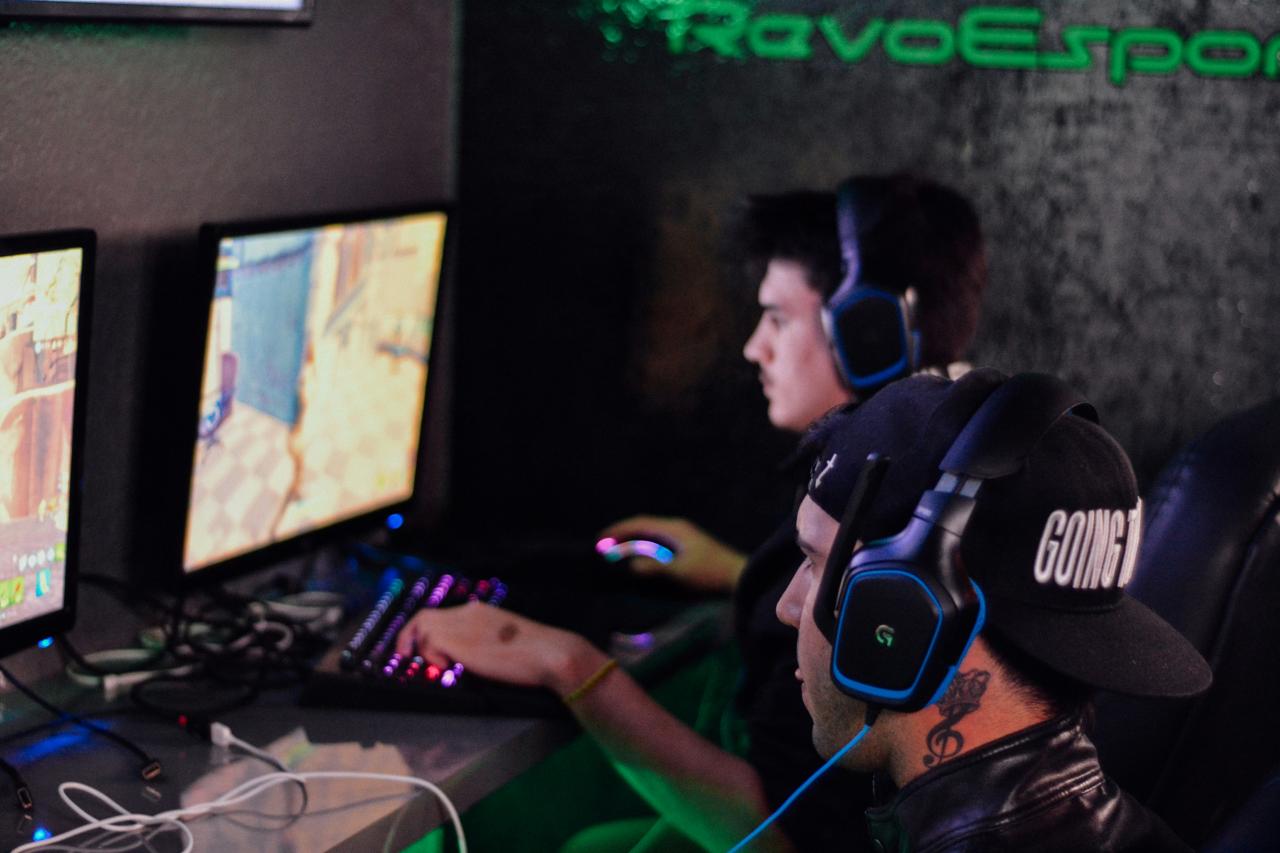
The primary reason tactical shooters command such massive attention is the inherent drama found in every single individual round of play. In the past, many shooters used a continuous respawn system which often diluted the importance of a single player’s death or mistake.
Now, the “one-life-per-round” mechanic ensures that every decision carries an enormous amount of weight and potential consequence for the entire team.
This creates a rhythmic cycle of tension and release that keeps the audience on the edge of their seats for hours. It is a fundamental shift toward “consequential gameplay” where a single well-placed shot can completely change the momentum of a million-dollar grand final.
A. Analyzing the “Clutch Factor” where a lone survivor must face multiple opponents to win the round against all odds.
B. Tracking the economy management system that forces teams to make difficult choices about their equipment and weapon quality.
C. Observing the impact of the “Defuse Timer” which adds a ticking clock element to every offensive and defensive interaction.
D. Investigating how the lack of respawns encourages players to use stealth, information gathering, and teamwork over raw mechanical aggression.
The biggest problem for many new viewers is the “waiting game” that happens during the slow and methodical early stages of a round. You solve this “pacing gap” by realizing that the quiet moments are actually a high-stakes information war where teams are hunting for a weakness.
Think of a tactical round like a suspense movie; the silence makes the final explosion of action feel much more rewarding and intense. When you master the art of watching the setup, you find that the strategy is just as exciting as the final kill.
Perfect Spectator Clarity and Map Design
A successful esport must be easy to follow even for someone who does not play the game at a professional level. In the past, chaotic battle royales or complex strategy games struggled to show the audience exactly where the most important action was happening.
Now, tactical shooters utilize clean map layouts and intuitive “lanes” that guide the viewer’s eye to the most critical chokepoints and sites.
This clarity allows broadcasters to tell a better story by switching between cameras at the exact moment a conflict occurs in the server. It is a strategic move to “visualize the battle” by creating an environment where the objective is always clear to the global audience.
A. Utilizing “X-Ray” vision for spectators to show the positioning of every player through walls without cluttering the main screen.
B. Identifying the “Hero Plays” through specialized camera angles that highlight the mechanical skill and reaction speed of the world’s best.
C. Following a standardized “Mini-Map” that provides a top-down view of the strategic rotations and utility usage across the entire level.
D. Using distinct character silhouettes and bright color palettes to ensure that players are always visible against the detailed environmental textures.
The challenge for many observers is the “chaos of utility” where flashes, smokes, and grenades can sometimes obscure the most important and decisive kills. You solve this “visual clutter” by focusing on the mini-map during the initial execute to see how the team is actually moving through the smoke.
Think of the map as a game board; the players are the pieces, and the utility is just the fog that they must navigate. When you prioritize map awareness, you see the brilliant coordination that happens even when the screen is full of digital fire and smoke.
Deep Tactical Meta and Utility Innovation
The introduction of specialized abilities and utility has transformed the genre from a simple test of aim into a complex intellectual battle. In the past, tactical shooters relied almost exclusively on grenades and smoke to provide cover or force an enemy out of a position.
Now, hero-based tactical shooters offer a wide range of unique abilities like tracking arrows, healing orbs, and teleportation that add layers of depth.
This allows for an endless variety of “executes” and “retakes” that keep the game fresh and unpredictable for the viewers over many years. It is a powerful way to “expand the skill ceiling” by rewarding players who can think creatively under the most intense pressure imaginable.
A. Evaluating the synergy between different character abilities to see how a team can combine their powers for a perfect site take.
B. Tracking the “Meta Shifts” as professional teams discover new ways to use old abilities to counter the current dominant strategies.
C. Observing the role of “Information Gatherers” who use their utility to scout the map without ever putting themselves in physical danger.
D. Investigating the “Economic Trade-offs” where a team must decide whether to buy a better gun or more utility for the next round.
The problem for many casual fans is the “complexity wall” where the sheer number of abilities and interactions feels too overwhelming to learn. You solve this “learning barrier” by focusing on one specific role, like the “Entry Fragger” or the “Support,” to see how they use their tools.
Think of utility as the ingredients in a recipe; on their own they are simple, but together they create something much more complex. When you understand the purpose behind every ability, you realize that there is no such thing as a “random” play in a professional match.
Global Regional Rivalries And National Pride
Tactical shooters have a unique ability to foster intense regional pride and rivalries that span across every major continent on the planet. In the past, certain regions dominated specific genres, but tactical shooters have a truly global reach with top-tier teams in Europe, Asia, and the Americas.
This creates a “World Cup” atmosphere at every international tournament where fans cheer for their country or their specific home-turf region with incredible passion.
This emotional connection drives massive viewership numbers as millions of people tune in to see if their local heroes can take down the global giants. It is a move to “unite the community” by giving every fan a stake in the outcome of the biggest and most prestigious matches.
A. Monitoring the intense rivalry between the Brazilian “Aggressive Meta” and the European “Disciplined System” during international grand finals.
B. Tracking the rise of the Asian Pacific region as they bring a fresh and unpredictable perspective to the traditional tactical shooter scene.
C. Observing the “Underdog Stories” where a small team from an emerging region manages to defeat a legendary and world-class organization.
D. Utilizing local language broadcasts and “Watch Parties” to allow fans to experience the excitement of the game with their own community.
Many fans struggle with the “toxic rivalry” that can sometimes occur when regions clash in the server or on social media platforms. You solve this “hostility gap” by celebrating the different styles of play and realizing that every region contributes something unique to the global meta.
Think of regional rivalries as a friendly competition between neighbors; it should be intense, but it should always be built on a foundation of mutual respect. When you embrace the global nature of the game, you find that the community is much more diverse and interesting than you first thought.
Conclusion
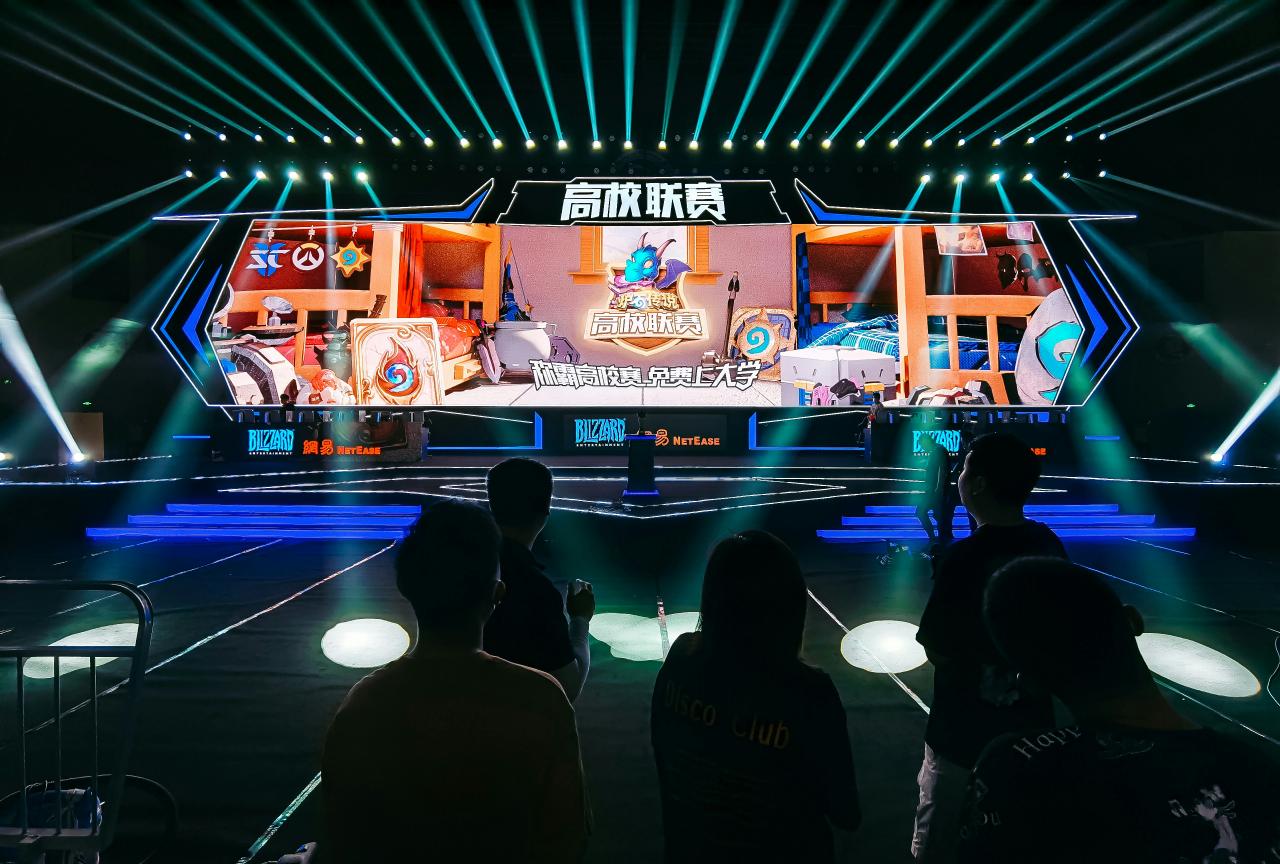
Strategic tactical orchestration creates true sovereignty by replacing chaotic drama with high-performance execution engines. Assigning missions to every high-stakes decision helps prevent overwhelming tension from dictating your competitive strategy.
This disciplined approach ensures your tactical infrastructure remains an efficient and powerful victory asset. Auditing your map control and monitoring professional plays allows you to reclaim operational control.
Strategic tool utilization ensures your competitive ecosystem acts as a fortress against unpredictable situational shifts. This logical framework provides the stability needed for a high-performance lifestyle. Building for the future requires executing your mastery plans with unwavering and total confidence.
Sophisticated skill systems transform your intellectual gameplay into a permanent freedom engine. Long-term excellence starts with the structural decisions you make right now. The future of architecture is defined by the systems you build.